Is Atheism good for Human society?

Religion or a belief system in an omniscient God has played an important part in the growth of human society. Some might argue that it also has led us to numerous mindless wars and violent persecutions but it is hard not to acknowledge religion’s positive role in aligning the moral compass of human society to do good in general and to have led us on to the pathway to civilization as we know today.

Dostoevsky’s had a point when he questioned “Without God … It means everything is permitted now, one can do anything?’ is ‘Yes,’ in as much as ‘everything’ refers to acts of extreme immorality.

The question whether Atheism is good for human society is a topical one with the rise of New Atheism phenomenon and the advent of Four Horsemen. Let’s analyse where Atheism stands on the goodness parameters that has been the sole preserve of religion throughout human history i.e.

• Bringing peace and binding people together in groups
• Giving a meaning and purpose to life
• Defining the moral code of society
• Defining the social code of society

Let’s argue the case on the first parameter.

Has Atheism brought peace to human society?

Atheists dismiss religion as proto science terming it as shallow bundle of myths, but fact is that Atheists and in particular New Atheists of this century harbour their own myths, myths of human advancements, myths of science as surrogate God.

Does anyone really want a society that would like to live in a godless world? Not to construct some alternative God, like reimagining humanity as some collective agent that manifests itself through history or science or some other redemptive force.

Do you really want human society to turn into Nazi Germany or Communist Russia and China where Godless Atheism became handmaiden to the most awful crimes in human history; and almost always, those crimes were committed in defence of some grand project to improve human society? People of faith claim that the crimes of Hitler, Stalin, Mao and Pol Pot were the inevitable product of unbelief. But leave aside the faithful’s, the truth is that the atheist position is incapable of supporting any rational system of morality other than ruthless social Darwinism. That’s why it has caused more deaths, murders and bloodshed than any other belief system in the history of the world.

Let’s move on to the second parameter.

Has Atheism given human society meaning and purpose to life?

Atheists believe that being an atheist means coming to grips with reality. And the reality for most of them is twofold i.e. we all are going to die as individuals, and the whole of humanity, unless we find a way to colonise other planets, is going to go extinct. We just come to grips with the reality. Life is the result of natural selection, and death is the result of natural selection. We are evolved in such a way that death is almost inevitable. So you just deal with it. Many scientists today are predisposed towards Atheism as they believe that it is more grounded in science than religion. They believe that science can be the holy grail of human society and dethrone religion from its high moral pedestal.

But is it true? Do we really believe that science can supply moral values, and I’m not sure this is a fact we can really own up to as a civilization, because it requires a conversation about human values that we seem incapable of having. What often happens is that science simply validates the ruling values of the time, and in the 19th and 20th centuries, those were racist values. There were all kinds on “scientific” studies done to propagate the myths of superior white race.

Do we really want to leave science in the hands of Atheists who can very well lead human society back to those darker times. Atheists don’t believe in God, so they don’t believe in any transcendent, objective moral law. Nor do they believe that human beings are made in the image of God, and so they don’t believe humans possess infinite value and dignity. When you put these two beliefs together, you have a deadly recipe that makes killing “problematic” human beings quite easy and defensible. One has only to look at the growing numbers of abortions, suicides, homicides, and cases of state-sponsored euthanasia, and infanticide, to see the atheist-death connection. As a thoroughly secular and functionally atheistic culture, we are fast becoming accustomed to “killing” our problems rather than dealing with them in a compassionate, loving, and sacrificial way.

Ok let’s see where the moral argument takes us with Atheism.

Has Atheism provided human society with a viable moral code?

I don’t mean to imply that people can’t be moral without God, which is one of the stupidest claims I’ve ever heard. But the fact is that we live in a world where all things, good and bad, are undergoing tremendous change. Time tested familial ties are breaking, Husbands and wives are divorcing and separating at ever increasing rate. Parents lose their children and children their parents. Friends part company in haste, without knowing that it will be for the last time. This life, when surveyed with a broad glance, presents little more than a vast spectacle of loss. Most people in this world, however, imagine that there is a cure for this. They believe that religions and belief in God fulfil functions in human society, rather than being the result of God actually existing.

Religion help people to form close knit groups, in which they could find a place in society. Religious rituals created mental states in those taking part which were helpful to the group. Of course, overly rational people and other rabble will be kept out of this happy place, and those who suspended their disbelief while alive will be free to enjoy themselves for all eternity. But scientific evidence suggests that humans – and even our primate cousins – have innate moral predispositions, which are often expressed in religious philosophies. That is, religion is a reflection rather than the cause of these predisposition. Early societies were small enough that their members could rely on people’s reputations to decide whom to associate with. But once our ancestors turned to permanent settlements and group size increased, everyday interactions were increasingly taking place between strangers. How were people to know whom to trust?

Religion provided an answer by introducing beliefs about all-knowing, all-powerful gods who punish moral transgressions. As human societies grew larger, so did the occurrence of such beliefs. And in the absence of efficient secular institutions, the fear of God was crucial for establishing and maintaining social order. In those societies, a sincere belief in a punishing supernatural watcher was the best guarantee of moral behaviour, providing a public signal of compliance with social norms. The problem is that Atheism has provided society with no credible alternative to this moral conundrum. Secularists and atheists “use words like ‘good’ and ‘bad’ and ‘right’ and ‘wrong’ and ‘rights’,” but if challenged. How do you know? Where do you get that from? Who decides?”. They struggle to provide a convincing answer. And society needs these answers to function smoothly.

Lastly let’s adjudge Atheism on the social parameter.

Has Atheism provided human society with a coherent social code?

The argument that Atheists make is that the root cause of strife & conflict in this world is people adhering to different religious ideologies and ever ready to kill just to prove their faith is better than the other’s. Their logic is that if people can leave the crutches of religion than we can have a coherent human society. But extensive study done by Bainbridge (2005) found out that Atheists were less socially encumbered and compared to religious believers, atheists were less enthusiastic about attending a large family reunion or a family history field trip, and were only weakly positive about preparing a festive meal and getting together with friends. On measures of friendship obligations, atheists also rated at the low end of the scale.

Based on this study it seems that Atheism instead of bringing coherence to human society might actually lead to the breakup of familial & fraternal ties and instigate us towards individualism and away from the core foundation of collectivism on which human civilization has been built upon. There is one more thing that scares me and that is that the “new atheism” movement is overwhelmingly white and male, and even plagued by a “brazen sexism” and vehement intolerance that makes women and others prefer to distance themselves from the term. Atheists are in-fact creating a new class division in the society and they are no better than religionists eager to cast derision and mockery on people who believe differently than they do.

After analysing Atheism on the above four goodness parameters, it can be concluded that Atheism has nothing better or rather has worse to offer to human society than religion.

Aristotle, Francis Bacon, Leonardo Da Vinci, and Isaac Newton all believed in God. Nobel-prize winner Wilhelm Rontgen, the discoverer of X-rays; Antoine Lavoisier, the father of modern chemistry; William Keen, the pioneer of brain surgery; rocket scientist Wernher von Braun; and Ernest Walton, the first person to artificially split the atom—all believed in God.

And speaking of pioneers of science, who do you think coined the term “scientist” in the first place? William Whewell, an Anglican priest and theologian! He also came up with words “physicist,” “cathode”, “anode” and many other commonly used scientific terms. Essentially, the very language used by scientists today comes from the brain of a believer. Even the Big Bang Theory itself – which atheists mistakenly think bolsters their arguments against God – was proposed by Fr. George Lemaitre, a Belgian astronomer and Roman Catholic priest! And the father of genetics—which provides the basis for the whole theory of evolution—was Gregor Mendel, an Augustinian monk!

Based on individual shortcomings, both religious and atheist societies are going to be sub optimal. One might be better or worse than other in some parameters but unfortunately both are less able to maximize individual well-being, outside of high-status in-group members. The search for an optimal human society is going to continue and for now looks like Voltaire’s was right when he wrote

If God did not exist, then we would have to invent him

Tarun Rattan

________________________

John Gray interview with Sean Illing at https://www.vox.com/2018/10/30/17936564/new- https://www.vox.com/2018/10/30/17936564/new-atheism-religion-science-god-john-gray
Catherine L. Caldwell-Harris (2012): Understanding atheism/non-belief as an expected individual-differences variable, Religion, Brain & Behavior, 2:1, 4-23
Marcie Bianco https://qz.com/613270/brazen-sexism-is-pushing-women-out-of-americas-atheism-movement/
John Gray interview with Sean Illing at https://www.vox.com/2018/10/30/17936564/new- https://www.vox.com/2018/10/30/17936564/new-atheism-religion-science-god-john-gray
Anthony DeStefano http://fxn.ws/2IC1w75

Posted in Religion | Tagged | 2 Comments

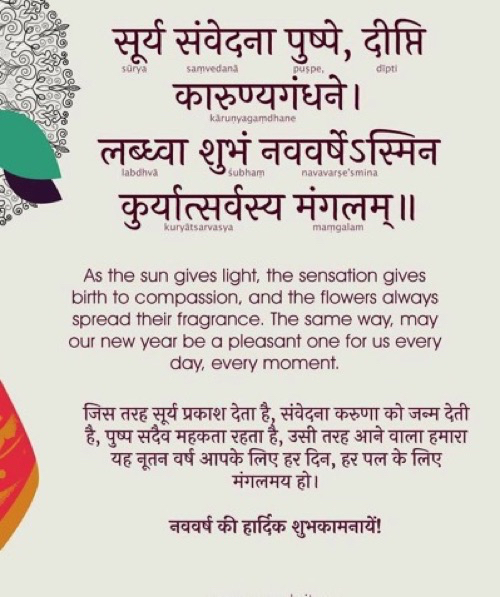
Happy New Year 2020!


Posted in Quotations | Leave a comment

Book Review – कामायनी by जयशंकर प्रसाद

कामायनीकामायनी by जयशंकर प्रसाद
My rating: 5 of 5 stars

Kamayani is arguably the best poem written in Hindi language in contemporary times. The vision behind the poetic plot and the flights of imagination by the author shines in brilliance in every page of this book. The poem retells the tale of Manu, the primordial man who survived Pralay (great flood) and then worked to regenerate humanity from that catastrophe. The poem covers the emotions, thoughts and actions that turmoiled primal father of mankind Manu after the deluge.
Each chapter in the book covers these different emotions like Chinta (Anxiety), Asha (Hope), Kama (Sexual Love), Vasana (Passion), Lajja (Shyness), Karna (Action), Irshya (Jealousy), Sanghrash (Internal Conflict), Nirved ( Renunciation), Darshan (Philosophy), Rahasya ( Mystery) and Anand (Bliss).

The poem also covers the contributions made by Shraddha (Faith) and Ida (Intelligence) on this recovery journey. The author has liberally taken from Vedic literature where this tale was first told but the brilliance of Kamayani lies in the way the author has reimagined the plot and lyrical poetic verses in which the tale is retold. Metaphorically Manu represents the mind of humanity engrossed in different emotions as it works on the unsurmountable task of rebuilding from scratch after the great flood and the faculties of head and heart are represented by Shraddha and Ida respectively.

View all my reviews

Posted in Book Reviews, Literature, Religion | Tagged , , , , , | Leave a comment

Wells Fargo to Pilot Dollar-Linked Stablecoin for Internal Settlement

Sharing the news of Digital Cash Pilot in Wells Fargo which I was involved in…

https://www.coindesk.com/wells-fargo-to-pilot-dollar-linked-crypto-for-internal-settlement

U.S.-based financial giant Wells Fargo is developing a U.S. dollar-linked stablecoin that will run on the firm’s first blockchain platform.

Dubbed Wells Fargo Digital Cash, the tokenized dollar will be used in a pilot initially for internal settlement across the company’s business.

The firm said in a press release on Tuesday that the digital token will enable to settle internal cross-border payments across its global network. Its international locations will also be able to move funds between each other using the token.

As banking services become increasingly digital, Wells Fargo sees “a growing demand to further reduce friction regarding traditional borders, and today’s technology puts us in a strong position to do that,” said Lisa Frazier, head of the Innovation Group at the company.

Wells Fargo says its proprietary digital ledger tech (DLT) platform will enable it to move money in “near real-time” and “without impact to the underlying account, transaction postings or reconcilement infrastructure.”

It will also allow the firm’s international locations to move funds outside normal operating hours, remove the need for third-party payment intermediaries and cut the time and costs associated with such transactions.

R3’s tech

When contacted by CoinDesk, Wells said its DLT is built on Corda Enterprise, the paid-for enterprise version of R3’s blockchain technology.

“R3 Corda Enterprise was designed by and for financial institutions. It is a distributed ledger solution that allows for appropriate data confidentiality controls, scales to bank transaction volumes and throughput, and supports an information security design that is compatible with Wells Fargo’s industry regulated standards,” said bank spokesman Roger Cabrera.

Obvious parallels can be drawn between what Wells Fargo is testing out and JPMorgan’s JPM Coin and its Interbank Information Network (IIN) which this week added Deutsche Bank to the 300-plus other banks on that network.

This raises the (at times uncomfortable) question of interoperability since the JPM’s interbank payment system and coin are all built on Quorum, the private version of ethereum the bank has open-sourced. Corda and Quorum do not talk to each other.

When asked about this, Cabrera said:

“Regarding JPM Coin, Wells Fargo Digital Cash runs on a proprietary internal DLT network that is not connected to any other digital cash solutions emerging in the financial services market today.

Timeline

The pilot, slated for next year, will start with transfers of U.S. dollars, but is expected to expand to other currencies. Eventually, it also aims to reach all Wells Fargo branches worldwide.

Frazier said:

“We believe DLT holds promise for a variety of use cases, and we’re energized to take this significant step in applying the technology to banking in a material and scalable way. Wells Fargo Digital Cash has the potential to enable Wells Fargo to remove barriers to real-time financial interactions across multiple accounts in multiple marketplaces around the world.”

Wells Fargo has previously launched other blockchain projects, including a banking prototype and a trade finance platform aimed at the cotton market. It’s also invested in blockchain finance startup Axoni.

Over and above internal settlement, the firm says it plans to use its DLT platform for “multiple” other applications.

Reported by Ian Allison ,  Daniel Palmer ,  Sep 17, 2019 at 12:20 UTC Updated Sep 17, 2019 at 21:01 UTCNEWS in CoinDesk

Posted in Technology | Tagged , | Leave a comment

October

October

O leafy yellowness you create for me
A world that was and now is poised above time,
I do not need to puzzle out Eternity
As I walk this arboreal street on the edge of a town.
The breeze too, even the temperature
And pattern of movement is precisely the same
As broke my heart for youth passing. Now I am sure
Of something. Something will be mine wherever I am.
I want to throw myself on the public street without caring
For anything but the prayering that the earth offers.
It is October over all my life and the light is staring
As it caught me once in a plantation by the fox coverts.
A man is ploughing the ground for winter wheat
And my nineteen years weigh heavily on my feet.

Patrick Kavanagh 1904 – 1967.

Posted in Literature | Tagged | Leave a comment

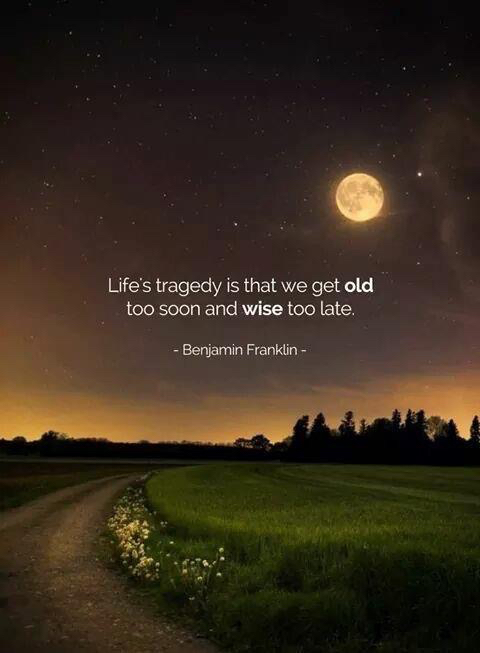
Life’s Tragedy…


Posted in Quotations | Leave a comment

Robert Frost, “The Road Not Taken”

Two roads diverged in a yellow wood,
And sorry I could not travel both
And be one traveler, long I stood
And looked down one as far as I could
To where it bent in the undergrowth;

Then took the other, as just as fair,
And having perhaps the better claim,
Because it was grassy and wanted wear;
Though as for that the passing there
Had worn them really about the same,

And both that morning equally lay
In leaves no step had trodden black.
Oh, I kept the first for another day!
Yet knowing how way leads on to way,
I doubted if I should ever come back.

I shall be telling this with a sigh
Somewhere ages and ages hence:
Two roads diverged in a wood, and I—
I took the one less traveled by,
And that has made all the difference.

Posted in Literature | Tagged | Leave a comment

Ronald Erwin McNair


Posted in Quotations | Tagged , | Leave a comment

रश्मिरथी – One who rides on the chariot of sun rays…

Ramdhari Singh Dinkar is the national poet of India and in this lyrical poem written in 1952, he covers the life of Karna (Sanskrit: कर्ण), the tragic hero of Indian epic Mahabharata, the record of war between Kauravas & righteous Pandavas. Life of Karna has always intrigued Indian psyche, he was the best of warriors i.e. Digvijaya but also famous as Daanveer i.e. the greatest giver of all time.

Karna was the son of Surya (the Sun God) and princess Kunti (later the Pandava Queen). He was conceived and born to unmarried teenage Kunti, who got a boon from Rishi Durvasha to invoke any of the gods as lover at will. Kunti wanted to test the boon and invoked Surya and conceived, but being unmarried she hides the pregnancy, then out of shame abandons the new born Karna in a basket on a river. The basket was discovered floating on the Ganges River in Anga (Bengal). He was adopted and raised by foster Suta parents named Radha and Adhiratha Nandana of the charioteer and poet profession working for Kuru king Dhritarashtra. Karna grows up to be an accomplished warrior of extraordinary abilities, a gifted speaker and becomes a loyal friend of Duryodhana, the Kaurava prince. He was appointed the king of Anga by Duryodhana, when he comes to know of his prowess hoping that one day he would beat and kill Arjuna, the Pandava hero. Karna joins the losing Duryodhana side of the Mahabharata war between Kauravas and Pandavas. He was the key antagonist who aimed to kill Arjuna but died in a battle with him during the Kurukshetra war.

This poem by Dinkar covers the Karna story exploring moral dilemmas with every turn of event in the hero’s life. It is long poem and reader is presented with the various point of views and shades of these dilemmas and possible answers through the life of Karna. The poet describes in sublime tone the complex Karna-Arjuna conflict in Mahabharata, where both sides were motivated in part by their own beliefs in what constitutes Dharma, coupled with anger, helplessness, and fear. The poem covers in depth the circumstances in Karna’s life and have tried to justify his actions as driven by complex, irreversible, difficult choices he had to make in his illustrous life, a classic mesh of multiple relative goods or bads, and with different shades of human strengths and weaknesses.

क्षमा शोभती उस भुजंग को
जिसके पास गरल हो
उसका क्या जो दंतहीन
विषरहित विनीत सरल हो

Forgiveness is becoming of the serpent that’s got venom
None cares for the toothless, poison less, kind, gentle one

The best pieces of this poem are Krishna ki Chetavni (Warning by Krishna) and Shakti aur Kshama (Power & Forgiveness). The first one captures the efforts of Krishna to bring some sense into Duryodhana so that war could be avoided. But when Duruodhan instead tried to capture Krishna, then he was appropriately warned by Krishna

‘यह देख, गगन मुझमें लय है,
यह देख, पवन मुझमें लय है,
मुझमें विलीन झंकार सकल,
मुझमें लय है संसार सकल।
अमरत्व फूलता है मुझमें,
संहार झूलता है मुझमें।

Look, I created Sky and Air that we breath,
Whole world and its diverse rythms disappear in me
I transcend Immortality and am the cause of all destruction

‘उदयाचल मेरा दीप्त भाल,
भूमंडल वक्षस्थल विशाल,
भुज परिधि-बन्ध को घेरे हैं,
मैनाक-मेरु पग मेरे हैं।
दिपते जो ग्रह नक्षत्र निकर,
सब हैं मेरे मुख के अन्दर।

My forehead is bigger than the biggest mountain
My chest is bigger than the whole universe
I know no boundaries
Clouds are beneath me feet
All stars and planets reside within my mouth

‘दृग हों तो दृश्य अकाण्ड देख,
मुझमें सारा ब्रह्माण्ड देख,
चर-अचर जीव, जग, क्षर-अक्षर,
नश्वर मनुष्य सुरजाति अमर।
शत कोटि सूर्य, शत कोटि चन्द्र,
शत कोटि सरित, सर, सिन्धु मन्द्र।

If you’ve the courage then see the whole universe within me
All living and dead, mortals and immortals
millions of stars and moons and
millions of rivers and oceans,
all are inside me

‘शत कोटि विष्णु, ब्रह्मा, महेश,
शत कोटि विष्णु जलपति, धनेश,
शत कोटि रुद्र, शत कोटि काल,
शत कोटि दण्डधर लोकपाल।
जञ्जीर बढ़ाकर साध इन्हें,
हाँ-हाँ दुर्योधन! बाँध इन्हें।

Millions of Vishnu, Brahma, Mahesh are within me
Millions of Siva, time itself is within me
If you can Duryodhana, then try to bind me

In Shakti aur Kshama, the poet renders the first meeting between Arjun and Karna where Karna challenges Arjuna for a duel. Here it goes

जलद-पटल में छिपा, किन्तु रवि कब तक रह सकता है?
युग की अवहेलना शूरमा कब तक सह सकता है?
पाकर समय एक दिन आखिर उठी जवानी जाग,
फूट पड़ी सबके समक्ष पौरुष की पहली आग।

“How long can sun hide behind the clouds
How long can time restrain a warrior
Ultimately one day fire of youth will strike
And everybody will witness the glow of his manhood”

रंग-भूमि में अर्जुन था जब समाँँ अनोखा बाँधे,
बढ़ा भीड़ भीतर से सहसा कर्ण शरासन साधे।
कहता हुआ, ‘तालियों से क्या रहा गर्व में फूल?
अर्जुन! तेरा सुयश अभी क्षण में होता है धूल।’

“In stadium arena when Arjuna had shown his prowess

Then from within the crowd Karna came forward
And challenged him not to glorify himself
as he will defeat him and crush him in mud in a moment”

‘तूने जो-जो किया, उसे मैं भी दिखला सकता हूँ,

चाहे तो कुछ नयी कलाएँ भी सिखला सकता हूँ।
आँख खोल कर देख कर्ण के हाथों का व्यापार,
फूले सस्ता सुयश प्राप्त कर उस नर को धिक्कारा।’

“Whatever you’ve done, I can do better
If you wish I can even teach you new tricks
Open your eyes and see the prowess of Karna’s hands
Those who seek cheap praise are not worthy of any praise”

इस प्रकार कह लगा दिखाने कर्ण कलाएँ रण की,
सभा स्तब्ध रह गयी, गयी रह आँख टँगी जन-जन की।
मन्त्र-मुग्ध-सा मौन चतुर्दिक् जन का पारावार,
गूँज रही थी मात्र कर्ण की ध्वना की टँकार।

“Having said this, Karna started showing his war skills
Everybody was amazed by his perfection
The crowd went berserk
On hearing the sound of Karna’s bow”

फिरा कर्ण, त्यों ‘साधु-साध’ कह उठे सकल नर-नरी,
राज वंश के नेताओं पर पड़ी विपद् अति भारी।
द्रोण, भीष्म, अर्जुन, सब फीके, सब हो रहे उदास,
एक सुयोधन बढ़ा, बोलते हुए, ‘वीर! शाबाश!’

“Crowd started praising Karna
But all the princes and leaders were worried
Drona, Bhishma, Arjuna faded in the glow of Karna
Suyodhan was the only one who came forward to congratulate him”

द्वन्द्व-युद्ध के लिए पार्थ को फिर उसने ललकारा,

अर्जुन को चुप ही रहने का गुरु ने किया इशारा।
कृपाचार्य ने कहा-’सुनो हे वीर पुरुष अनजान’
भरत-वंश-अवतंस पाण्डु की अर्जुन है संतान।

“Karna agan challenged Arjuna for a duel
Arjuna was told to keep quiet by Drona
Kripacharya said hey Karna, Arjuna will fight
only a fellow prince”

‘क्षत्रिय है, यह राजपुत्र है, यों ही नहीं लडेगा,
जिस-तिस से हाथापाई में कैसे कूद पड़ेगा?
अर्जुन से लड़ना हो तो मत गहो सभा में मौन,
नाम-धाम कुछ कहो, बताओ कि तुम जाती हो कौन?”

“Arjuna is a warrior prince
and won’t just fight with anybody
If you wish to fight Arjuna and tell the assembly
about your family and caste”

‘पूछो मेरी जाती, शक्ति हो तो, मेरे भुजबल से’
रवि समान दीपित ललाट से और कवच-कुण्डल से,
पढ़ो उसे जो झलक रहा है मुझमें तेज-प्रकाश,
मेरे रोम-रोम में अंकित है मेरा इतिहास।

“If you wish to know my caste, then ask from my strong arms
Ask it from the glow of my face, from the strength of my breastplate
Read from the shining glow coming out of my body
my family history is dispersed through every pore of my body”

‘अर्जुन बड़ा वीर क्षत्रीय है, तो आगे वह आवे,
क्षत्रियत्व का तेज जरा मुझको भी तो दिखलावे।
अभी छीन इस राजपुत्र के कर से तीर-कमान,
अपनी महाजाति की दूँगा मैं तुमको पहचान।’

“If Arjuna is a great warrior, then he should come forward
And have a duel with me
I’ll capture his bow and arrow
and then give the details of my high caste”

Other noteworthy passages from the poem describe two meetings where Karna discovers truth of his birth. The first meeting is with Krishna, who approaches Karna as an ambassador seeking to prevent violence and the war and the second where his biological mother Kunti comes to meet him to plead him not to fight against his brothers.

In the first instance the poem describes how Krishna starts by praising Karna for knowing dharmashastras and then requesting his support to end the cascading cycle of violence and war. Krishna tells Karna that Kunti is his biological mother and Pandavas are his half-brothers. Krishna states, “by law, Karna should be considered as the eldest born of Pandavas“, that he can use this information to become the king.

“कुन्ती का तू ही तनय ज्येष्ठ,
बल बुद्धि, शील में परम श्रेष्ठ
मस्तक पर मुकुट धरेंगे हम,
तेरा अभिषेक करेंगे हम
आरती समोद उतारेंगे,
सब मिलकर पाँव पखारेंगे

“On Karna, you’re the eldest of Kunti’s sons
In strength, intelligence and wisdom, you’re exemplary
We’ll crown you
as a king
we’ll worhsip you
and prostrate before you”

“पद-त्राण भीम पहनायेगा,
धर्माचिप चंवर डुलायेगा
पहरे पर पार्थ प्रवर होंगे,
सहदेव-नकुल अनुचर होंगे
भोजन उत्तरा बनायेगी,
पांचाली पान खिलायेगी

“Mighty Bheem will help you with your foot wear

Dharmic Yudhisther will fan you
Parth Arjuna will stand guard over you
Sahdev & Nakul will be at your service
Uttara will feed you all the delicacies
Panchali will gve you bertlenut after food”

“आहा ! क्या दृश्य सुभग होगा !
आनंद-चमत्कृत जग होगा
सब लोग तुझे पहचानेंगे,
असली स्वरूप में जानेंगे
खोयी मणि को जब पायेगी,
कुन्ती फूली न समायेगी

“It would a great future
Whole world will shine in your glory
Everybody will recognise you for
who you’re and as a worthy a king
Like a new found diamond
Kunti will emrace you as her ligitimate son”

“रण अनायास रुक जायेगा,

कुरुराज स्वयं झुक जायेगा
संसार बड़े सुख में होगा,
कोई न कहीं दुःख में होगा
सब गीत खुशी के गायेंगे,
तेरा सौभाग्य मनाएंगे

“War will stop automatically
Duryodhana will bow to you
Whole world will be at peace
There won’t be any sorrow
Everybody will sing your praises
and would wish you well”

Karna declines the offer and replies that though he was born from Kunti, it was the wife of a charioteer “Radha who gave him love and sustenance”, and that makes her his real mother. Similarly, it is from the love and affection and “not scripture” that he knows Adhiratha to be his real father. He is already married, says Karna, he has two sons and now grandsons, all because his father Adhiratha helped him settle into his married life. What matters most in life are the “bonds of love”, according to Karna, and not power over the world. He shall betray no one, remain loyal to those who love him, including his friend Duryodhana, with whom he has been in allegiance for thirteen years. It is not “blood ties” that matter, but how someone treats you over a period of time that does. He made a promise to Duryodhana and he will keep it. It is his duty to fight Arjuna.

सुन-सुन कर कर्ण अधीर हुआ,
क्षण एक तनिक गंभीर हुआ,
फिर कहा “बड़ी यह माया है,
जो कुछ आपने बताया है
दिनमणि से सुनकर वही कथा
मैं भोग चुका हूँ ग्लानि व्यथा

“Hearing all this, Karna became agitated

For a moment he dithered
But then said this all is Maya
What you’ve said
hearing it from your mouth
I feel really pathetic”

“मैं ध्यान जन्म का धरता हूँ,

उन्मन यह सोचा करता हूँ,
कैसी होगी वह माँ कराल,
निज तन से जो शिशु को निकाल
धाराओं में धर आती है,
अथवा जीवित दफनाती है?

“When I think of my birth wonder
I just think of what kind of cruel mother
she would be who brought a son out from her own body
and then throws her in a flowing river
kin to burying her alive”

“सेवती मास दस तक जिसको,पालती उदर में रख जिसको,
जीवन का अंश खिलाती है,
अन्तर का रुधिर पिलाती है
आती फिर उसको फ़ेंक कहीं,
नागिन होगी वह नारि नहीं

“Whom she had kept for nine months in her womb

Whom she had nursed
and fed her from her own body
with her her own milk and blood
then she throws that son away
She would be a snake not a woman”

“हे कृष्ण आप चुप ही रहिये,
इस पर न अधिक कुछ भी कहिये
सुनना न चाहते तनिक श्रवण,
जिस माँ ने मेरा किया जनन
वह नहीं नारि कुल्पाली थी,
सर्पिणी परम विकराली थी

“Hey Krishna, you please keep quiet
and don’t say a word more
I don’t wish to hear all this
the mother who gave me birth
was not a mother but a witch
was infact a cruel snake”

Krishna then asked Kunti to go and meet Karna and tell him that he is her first born son and the Pandavas were his brothers. Krishna left it to her to choose between Karna and her five other sons. Kunti then went to meet Karna, finds him praying. She waits. After he finished his prayers to Surya, Karna meets Kunti for the first time in his adult life. He greets her (he now already knows her to be his biological mother). With folded hands, he introduces himself as the son of Radha and Adhiratha, and inquires about the purpose of her visit. Kunti then confesses that he is her firstborn. Surya also appears and confirms Kunti’s story, and suggests that he follow her. Karna says that though he may have been the firstborn, he never received the affection or care from her as the firstborn. “You discarded me“, says Karna to Kunti, “you destroyed me in a way that no enemy could ever do to him”. It is too late. He reiterates that he loves the parents who raised him, they love him, and he will remain loyal to his lifelong relationships. No one should abandon those who give respect and affection, the war momentum shall continue and he aims to kill Arjuna. Karna promised to Kunti that he will not kill any of his other four half-brothers, but either “Arjuna or I” shall die and she can still say she has five sons just as she did all her life.

The book covers some known legends on the life of Karna like his giving away his Kawach (Breast plate) and Kundals (Ear Rings). Karna was born with aspects of his divine father Surya – the earrings and armour breastplate – that made him an immortal at birth. However, despite being warned, Karna prefers to lose these natural gifts in order to uphold his reputation as the one who always gives dāna (charity), particularly to Brahmins, as being more important than his own life and gives the blood-soaked donation to disguised-as-a-Brahmin Indra.

कहा कर्ण ने, ‘धन्य हुआ मैं आज सभी कुछ देकर,
देवराज! अब क्या होगा वरदान नया कुछ लेकर?
बस, आशिष दीजिए, धर्म मे मेरा भाव अचल हो,
वही छत्र हो, वही मुकुट हो, वही कवच-कुण्डल हो ’

Karna says that he feels blessed after handing over his armour plate and ear rings to Indra who asks him to seek a boon in return. Karna only asks for Indra blessings to remain steadfast on the path of Dharma and nothing else.

Another interesting episode covered in the poem is when the snake offers to kill Arjuna by deceit, the reply of Karna is one that is the epitome of chivalry

इतने में शर के कर्ण ने देखा जो अपना निषङग,
तरकस में से फुङकार उठा, कोई प्रचण्ड विषधर भूजङग,
कहता कि ‘कर्ण! मैं अश्वसेन विश्रुत भुजंगो का स्वामी हूं,
जन्म से पार्थ का शत्रु परम, तेरा बहुविधि हितकामी हूं ।

“This snake whose relatives were all killed by Arjuna (probably during the buring of the Laak house) appears and says that he was living every moment of his life to kill Arjuna. Arjuna was his foremost enemy and he would be of much use to Karna.”

‘बस, एक बार कर कृपा धनुष पर चढ शरव्य तक जाने दे,
इस महाशत्रु को अभी तुरत स्यन्दन में मुझे सुलाने दे ।
कर वमन गरल जीवन भर का सञ्चित प्रतिशोध उतारूंगा,
तू मुझे सहारा दे, बढक़र मैं अभी पार्थ को मारूंगा ।’

“He says in this paragraph that Karna should put him on his Bow and shoot him across so that he can take revenge against Arjuna as he would reach Arjuna’s Chariot. He requests Karna’s Help to kill “Partha”

राधेय जरा हंसकर बोला, ‘रे कुटिल! बात क्या कहता है ?

जय का समस्त साधन नर का अपनी बांहों में रहता है ।
उस पर भी सांपों से मिल कर मैं मनुज, मनुज से युध्द करूं ?
जीवन भर जो निष्ठा पाली, उससे आचरण विरुध्द करूं ?’

“Karna Laughs and replies, A man’s victory is completely in his own hands. To kill a man, should he, a man take the help of a snake, he would have to compromise against the ethics that he has kept all his life.”

‘तेरी सहायता से जय तो मैं अनायास पा जाऊंगा,

आनेवाली मानवता को, लेकिन, क्या मुख दिखलाऊंगा ?
संसार कहेगा, जीवन का सब सुकृत कर्ण ने क्षार किया;
प्रतिभट के वध के लिए सर्प का पापी ने साहाय्य लिया ।’

“Karna says that by the snakes help, He would be able to get victory for sure, but to the coming generations of humanity, what face would he show? The world would say that all the good deeds of his life were undone by Karna ; the sinner a snake to kill his opponent.”

But there are so many other tales surrounding Karna’s life which does not find mention in this poem. Like the legend goes that while Karna was on his death bed, Krishna came to him disguised as a beggar. Karna responded to the beggar by saying that he had nothing left to give him amidst battle field and that he could get anything he desired from his wife in Angadesh. The beggar indicated Karna still had some gold in his tooth which would be valuable to him. On realizing that fact, Karna took a stone and broke his tooth with the gold and gave it to the beggar, epitomizing the “way of life” he led. However, on seeing the displaced tooth the beggar says that it’s dirty. Not finding water nearby Karna shoots an arrow and starts to rain, in whose water he cleans it before passing it on to beggar. Disguised beggar – Krishna ­– was pleased and said that his “legend will live in hearts of people till the end of times” and that “he’d be remembered for his great qualities of Daan (donation) and Veer (heroism).” And so we know him as a Daanveer Karna.

But inspite of these misses, the poem appropriately cover the different shades of Karna’s character. He is shown as martially adept and equal to Arjuna as a warrior, a gifted speaker who embeds provocative insults for his opponents in front of an audience. He does the right thing (dharma) yet is cruel and mean (adharma) at other times. He never questions the ethics of his lifelong friend Duryodhana but rather conspires and abets in Duryodhana’s quest for power through the abuse of his opponents. He complains of “dharma failed him” on the day of his death, yet in his abuse of Draupadi, he himself ignores the dharma. He is a victim of his circumstances beyond his choosing, as much as the cause of circumstances that victimize other flawed heroes of the epic. In the poem Karna comes out as the flawed tragic hero of the Mahabharata. His life story raises compassion, sorrow with an impending sense of destruction and fear in the audience, as any good tragic drama.

Dinkar in this poem used the complex character of Karna to also address social issue of “inherited status” and “deserved status“, a Dalit debate that remains relevant to the contemporary times. The poem covers the episode when Karna was not allowed to train in weaponry because he was a suta and criticises it as a society’s flaw. It raises the question whether a person’s social position should be defined by birth or by some other criterion, such as accomplishment of some sort. Karna comes out in the poem as one challenging the traditional understanding of dharma – as inherited status – and offers a new notion of dharma as deserved status.

ऊँच-नीच का भेद न माने, वही श्रेष्ठ ज्ञानी है,
दया-धर्म जिसमें हो, सबसे वही पूज्य प्राणी है।
क्षत्रिय वही, भरी हो जिसमें निर्भयता की आग,
सबसे श्रेष्ठ वही ब्राह्मण है, हो जिसमें तप-त्याग।

“One who does not believe in high or low birth, only is knowledgableone who believe in charity he is the only to be praised
only he is the warrior who is not afraid of anything
only he is a true Brahmin who can sacrifice everything”

तेजस्वी सम्मान खोजते नहीं गोत्र बतला के,

पाते हैं जग में प्रशस्ति अपना करतब दिखला के।
हीन मूल की ओर देख जग गलत कहे या ठीक,
वीर खींच कर ही रहते हैं इतिहासों में लीक।

“Wise men don’t seek respect by telling their caste

they get praise by the work they do
they remain steadfast in their beliefs
and they alone can change the course of history”

The poem covers the end of Karna in tragic detail. As the second last day of the eighteen day war approaches, Karna’s day of death dawns too. Karna asks Duryodhana to convince king Shalya to be his charioteer since he plans to kill Arjuna that day. The South Indian king considers it below his dignity to be a mere charioteer and starts insulting Karna, who retaliates with words but ultimately agrees. Together they reach Arjuna and Krishna. Both the warriors battle that day, each showing his martial skills of attack as well as their ability to neutralize all weapons that reach their chariot. But then as fate would have it, the wheel of Karna’s chariot gets stuck in the ground. Karna steps out of his chariot and is distracted while trying to unstick it. Arjuna – whose own son was killed by the Kauravas a day ago while he was trying to unstick his chariot’s wheel – takes this moment to launch the fatal attack. Karna dies.

In conclusion Karna comes out in the poem as ‘the wrong person in the wrong place‘ – this is what Karna symbolises to many minds today. Life may have been unfair to Karna but he rises above pity. Despite his flaws we admire him. Even the divine Krishna, pondering on Karna’s life choices, honor Karna as a satpurusha (lit. “a true, honest, good man“) and “the best among those who understand and uphold the dharma”. The legend goes that father Surya sends a chariot of rays i.e. Rashmirath to transport Karna’s soul giving him the title of the book i.e. “one who rides the chariot of rays”, Rashmirathi.

पर, जाने क्यों, नियम एक अद्भुत जग में चलता है,
भोगी सुख भोगता, तपस्वी और अधिक जलता है।

“Don’t know why this the rule of this world
that rich becomes richer and wise has to sacrifice all the time”

हरियाली है जहां, जलद भी उसी खण्ड के वासी,
मरु की भूमि मगर,रह जाती है प्यासी की प्यासी।

“Where here is greenery, rain also falls only there
And desert is always thirsty”

और, वीर जो किसी प्रतिज्ञा पर आकर अड़ता है,
सचमुच, उसके लिए उसे सब कुछ देना पड़ता है।

And a warrior once he takes a pledge
has to sacrifice everything for that pledge”

The following couplets captures the essence of Daanveer Karna’s life and provides a template for others to live their lives in a likewise worthy manner.

“धनराशि जोगना लक्ष्य नहीं,
साम्राज्य भोगना लक्ष्य नहीं.
भुजबल से कर संसार विजय,
अगणित समृद्धियों का सन्चय,
दे दिया मित्र दुर्योधन को,
तृष्णा छू भी ना सकी मन को

“My aim is not to earn wealth
neither to rule an empire
By force, I can conquer the whole world
and horde innumerable treasures
but I’ve given my whole self to my friend Duryodhana
so have no wish for these things”

“वैभव विलास की चाह नहीं,
अपनी कोई परवाह नहीं,
बस यही चाहता हूँ केवल,
दान की देव सरिता निर्मल,
करतल से झरती रहे सदा,
निर्धन को भरती रहे सदा.

“I don’t seek wealth and comfort
I don’t care for myself
But only thing I wish for is
that I remain able to satisfy any
poor and down-trodden
when they come asking me for any favours”

“तुच्छ है राज्य क्या है केशव?

पाता क्या नर कर प्राप्त विभव?
चिंता प्रभूत, अत्यल्प हास,
कुछ चाकचिक्य, कुछ पल विलास,
पर वह भी यहीं गवाना है,
कुछ साथ नही ले जाना है.

“What is an empire, O Krishna
What will a man do with all that wealth
it will only bring worries and anxiety
lots of trouble and only few moments of pleasure
and that too will be lost at the end of life
nothing can be taken along in ts life”

“मुझसे मनुष्य जो होते हैं,

कंचन का भार न ढोते हैं,
पाते हैं धन बिखराने को,
लाते हैं रतन लुटाने को,
जग से न कभी कुछ लेते हैं,
दान ही हृदय का देते हैं.

“Man like me, don’t seek wealth and glory
they earn wealth only to give it back in alms
they dig diamonds to shower those on poor
they don’t take anything from this world
but give their heart out for poor and weak”

Tarun Rattan

Posted in Book Reviews, Literature, Religion | Tagged , , , , , | Leave a comment

Book Review – Brexit and Ireland: The Dangers, the Opportunities, and the Inside Story of the Irish Response by Tony Connelly

I found this book by Tony Connelly to be an excellent primer on Brexit and in it the author has covered in detail the potential impact of Brexit on Irish state. Brexit is perhaps the greatest economic and foreign policy challenge Ireland has faced since WWII and this book explains why that is the case? The author has drawn upon unprecedented access to number of key players in Brexit saga and does provide revealing insights on EU handling of this important issue.

In the first two chapters the book covers how the Brexit event unfolded both in EU and Ireland. The author has been able to garner information from the key players both in EU and Ireland and in these chapters Brexit really comes out as a disruptive event for everybody. The author has made a strong case in these chapters on the profound impact that Brexit will deliver on Ireland’s economic and political destiny and that more than any other country, Ireland’s individual and sectoral interests are at stake.

The third chapter is quite revealing as it shows Ireland as the country most exposed to economic effects of Brexit by far. In particular food and energy sectors are expected to hit hardest post Brexit. The chapter describes behind the scenes shenanigans and response of UK government to Brexit. One of Prime Minister May’s first acts were to create two new government departments to deal with Brexit. The Department for International Trade would seek new trade arrangements around the world and another Department for Exiting EU commonly known as DexEU would take on the administrative burden of extracting Britain from EU. This chapter also explains how EU really works and the turf wars Brexit caused inside it. EU is made up of several institutions. The European Commission is the executive arm, charged with developing EU policy, safeguarding the rights of EU citizens, ensuring EU law is implemented and looking after the general EU interests around the world. The European Council represents the heads of government (the Council of the European Union, somewhat confusingly, is where ministers from each country come to negotiate). The European Parliament is the directly elected assembly that is supposed to provide a third layer of democratic accountability. When Brexit happened European Council was quickest out of traps. On 26 June, Donald Tusk, the council president announced that council would lead the charge on Brexit but it caused flap within European Commission and its president Jean-Claude Juncker produced and published a six page legal opinion as to how the commission should be in-charge.

The chapter four describes attempts by Britain to engage Ireland to start negotiations at bilateral level and how these were pushed back by Irish government as they saw Brexit negotiations to be taking place only between EU and Britain, but some bilateral talks did happen. There were five key Brexit ares under discussions, the peace process; the border; the Common Travel Area; police and security cooperation; and bilateral trade. The experience of one of the Irish negotiator sums up the way these discussions went “We’d to repeatedly dance on the head of a pin”.

Next few chapters covers how Brexit is going to impact Ireland’s relationship with its other trading partners like New Zealand, China, Scandinavia etc.

Chapter 12 covers in detail how the Common Travel Area on British Isles came in place and how it’s future is now at stake due to Brexit and also how the Good Friday peace agreement would also be difficult to manage post Brexit. The CTA is an arrangement that long predates EU membership and reflects a cultural affinity between two neighbours that has outlived bitter and violent enmity. Now it falls to EU to look at the Irish border and figure out what to do with it.

Amid the anxiety over Brexit, the opportunities are often overlooked and Chapter 15 describes these opportunities. Ireland is an English speaking country, with a similar common law system to the UK’s. International companies serving single market from a UK base are expected to relocate to Ireland post Brexit. European companies sourcing inputs from UK suppliers may look to Irish suppler instead. Only time will tell if Ireland will adapt fast to Brexit reality and will be able to tap these opportunities or not.

The EU is a historic political project whose future is now at stake due to Brexit. More than any other country, Ireland’s interest are at stake. On the other hand the importance of UK for Ireland as a trading partner is beyond doubt. Only time will show how Ireland will cope with Brexit and how it would adapt to live inside what EU is going to look like post Brexit.

Posted in Book Reviews, News & Politics | Tagged , | Leave a comment